Interested in finding a new perspective? Make it a career with Adelaide University
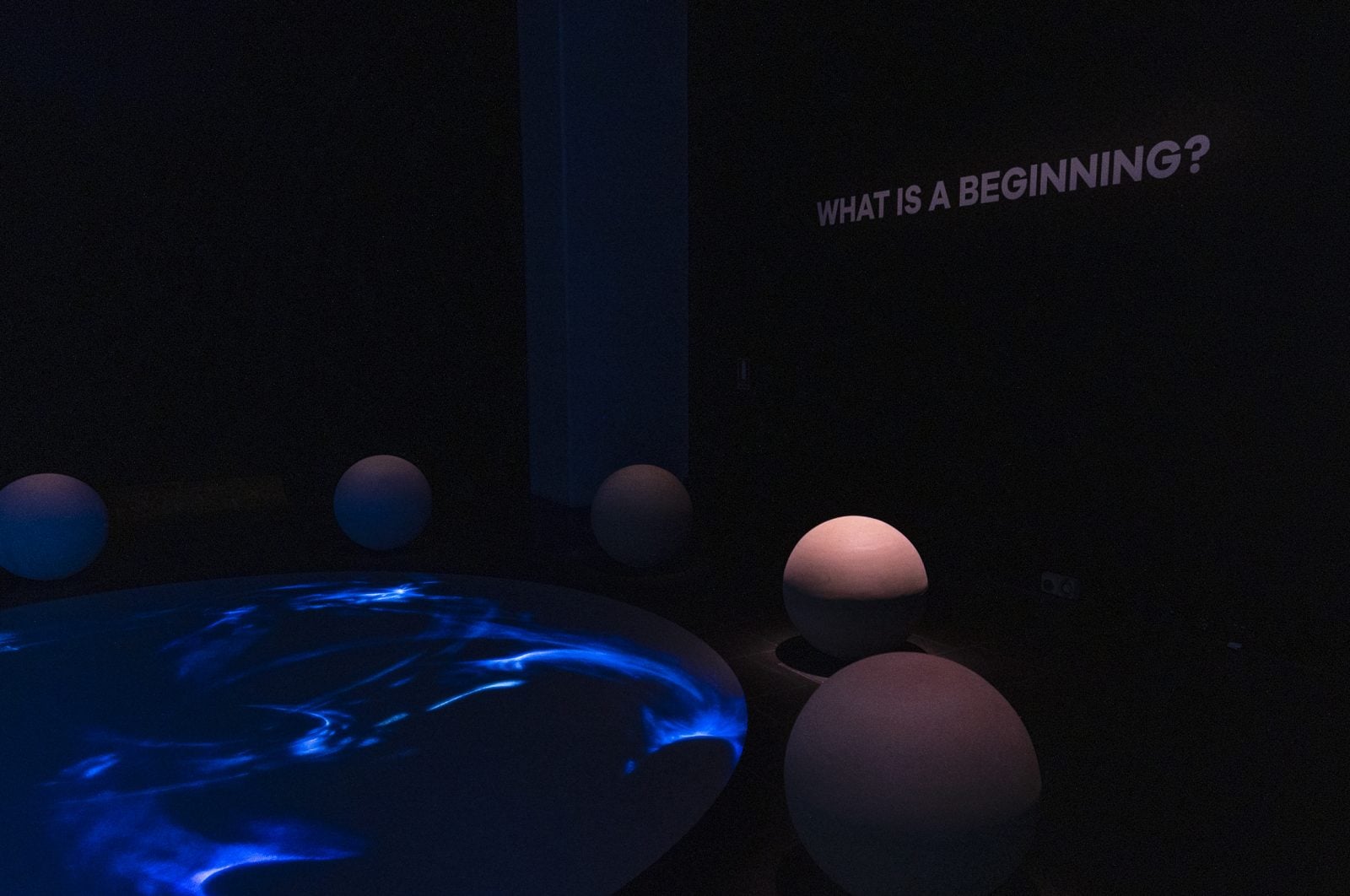
Exhibit Details
Open JanNov 2026
- What is a beginning?
- Delve deeper
We are never alone in our beginnings.
From the earliest moments of our universe to the decisions you make today, everything has to start somewhere. Storytelling helps us understand these origins through other perspectives and carry forward their important lessons of experience as our own.
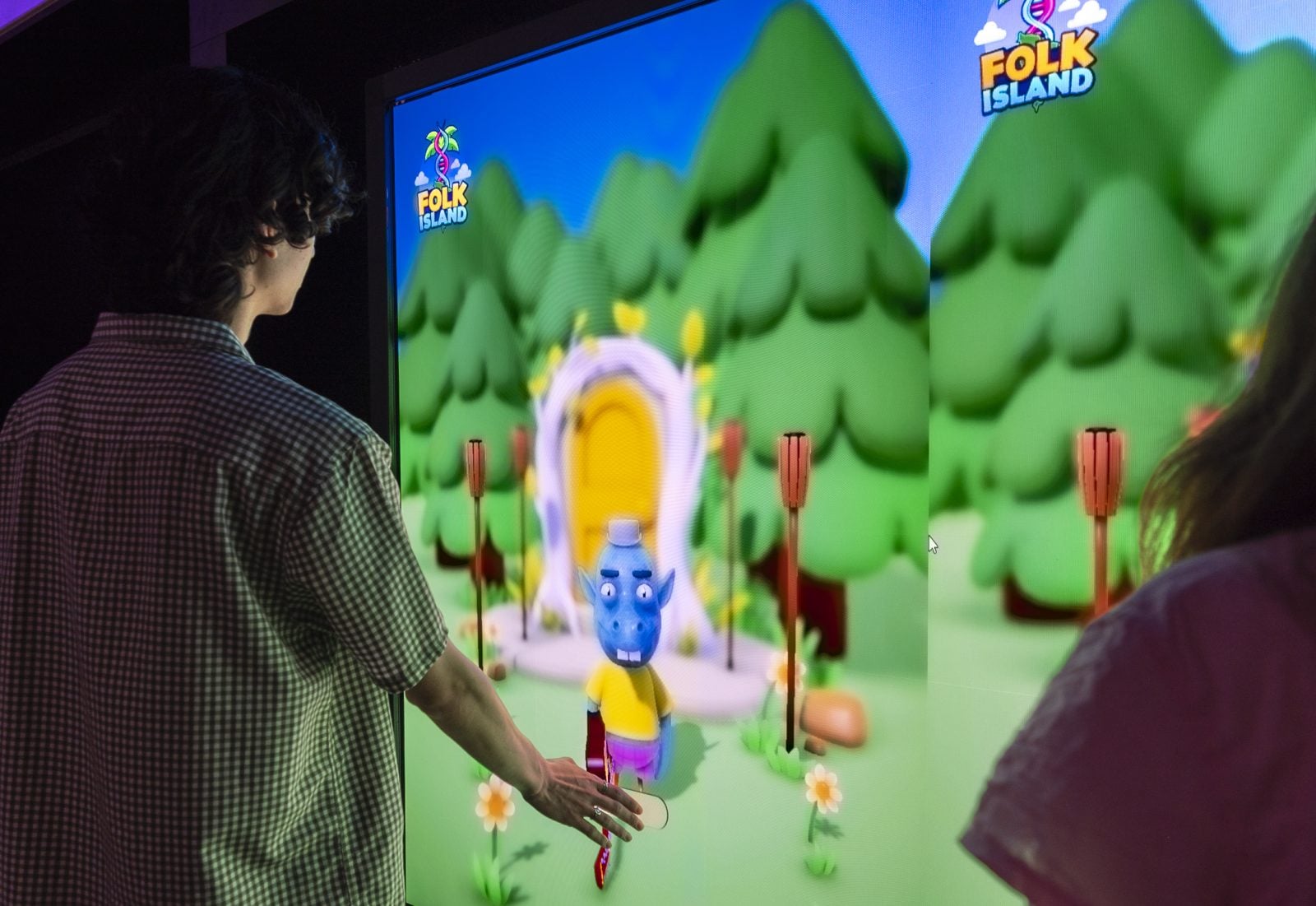
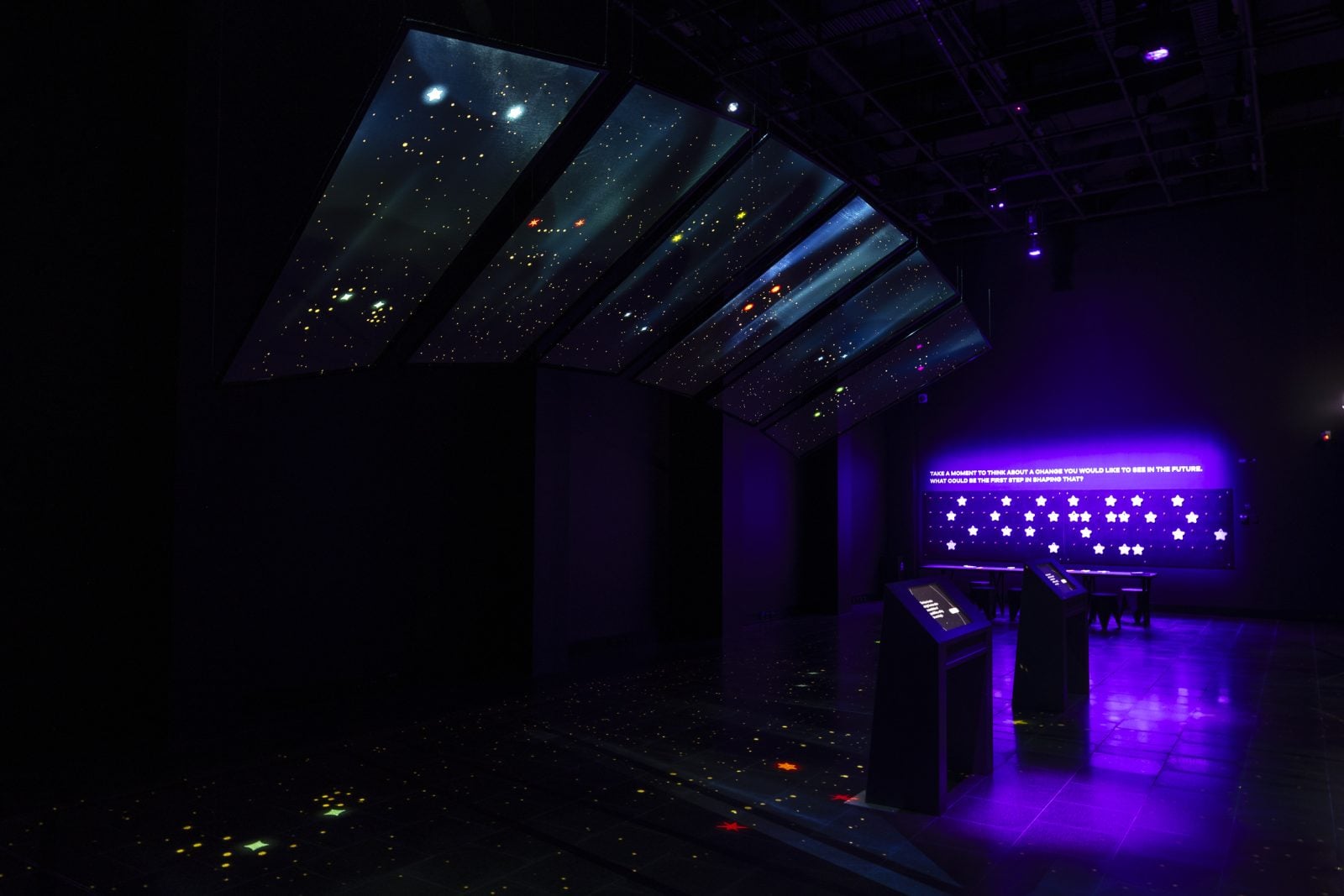
Immerse yourself in 18 unique stories of beginnings told by researchers and notable South Australians exploring a continuum of action and possibility. Learn about gravitational waves at the dawn of our universe, the microscopic spark of human conception, and even the futures of green energy technology, sustainable agriculture, and space exploration beyond the stars.
From these wellsprings of knowledge, better understand how our future is shaped not only by our origins but also by the chapters that have yet to be written. Where does your story begin?
There are many unique starting points and different ways to begin. Explore the nine exhibit themes of BEGINNINGS through the words of some of South Australia’s most interesting perspectives. What can their stories teach us about our own journey ahead?
-
Uncle Mickey Kumatpi O’Brien & Professor Martin White
On PERSPECTIVE
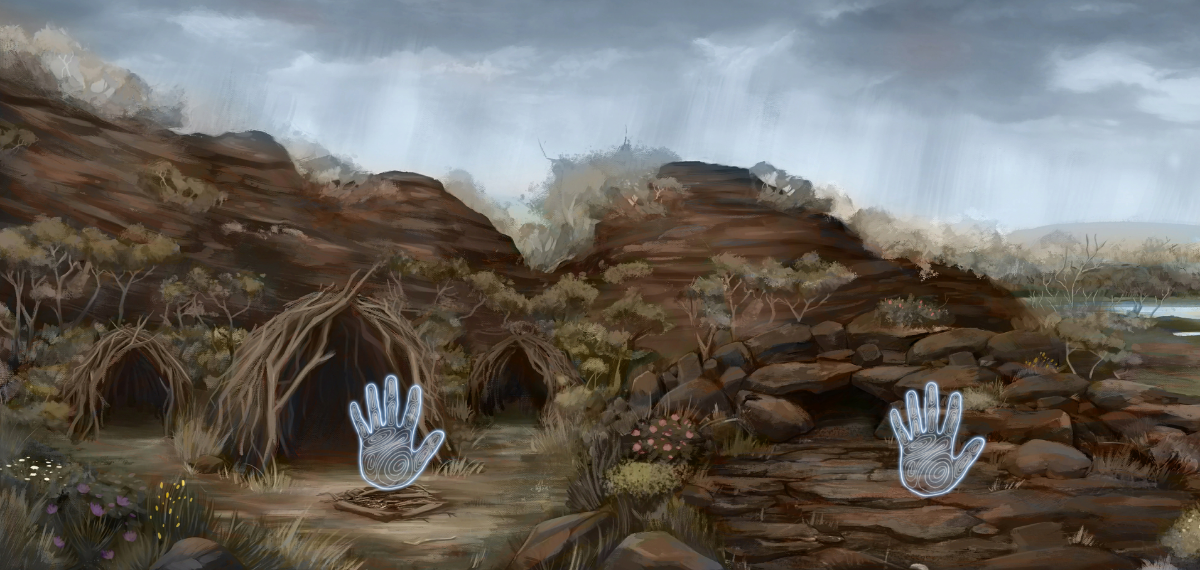
“So when we talk about our time on the land and our physical point of view, we as Aboriginal people, we believe that we return to the landscapes in a spiritual form, whether it be the animal, the plants, the skies, the waters, or the land itself.
You then have a place on returning to this landscape or waters and skies and so forth, and therefore your message is never lost directly, your message or your connection to people is through those elements that are left behind.
Storytelling is a way of not only understanding those creation stories, understanding the values, the morals, or the teachings, because through story, you’re able to remember that information.
When you consider that the knowledge holders are the, the elders, they’re the people that pass on when you’re an oral culture, that aspect of listening is really important.
It’s not always about how quickly you get the information, it’s really about understanding how long has that information been around.
You know, I don’t think you can say there’s ever an end. Also, in saying that, I don’t know where the beginning is.”
Uncle Mickey Kumatpi O’Brien, Senior Kaurna man
“You see as a particle astrophysicist, I’m led to the ultimate beginning, which is the beginning of the universe.
That’s the question that probably got me into science more than any other and I also used to read a lot of philosophy as well. And of course, that’s obsessed with the idea of a primary cause. Is there a first cause? It’s tied up with religion.
Is it possible to get something from absolutely nothing at all? Most people’s answer is just, well, something made it and we’ll give a word to that thing.
The science answer to that is not a lot different. It’s that, you know, there’s fluctuations in quantum fields, and they blow up universes, and we happen to be in one of them.
The beauty of the night sky is the beauty of the night sky but there is something about that view that is absolutely captivating.
It’s captivating on a scientific level, it’s captivating on a spiritual level. It’s how most of us form our ideas about the place we occupy in the world.
The more you learn it doesn’t demystify it, it increases the sense of awe as you really understand all the delicate things that are going on to make that picture.
Time began at the Big Bang as part of space time. So it’s undefined to talk about what was before, and that was the beginning.”
Professor Martin White, School of Physics, Chemistry and Earth Sciences, Adelaide University
-
Associate Professor Kylie Dunning & Professor Sarah Robertson
On CONTINUITY
“Our research is really about seeing what’s already there, what’s going on in those very first days of life and what makes a healthy embryo. The amazing thing is that we get to see life form.
It’s a very small, microscopic event, but it really, it’s the beginning of everything. We all start the same way.
That single cell, after sperm fuses with an oocyte, it’s about 110 microns in size, it contains all the instructions you need to create a human. So we use light, or photonics, to unveil what’s naturally present in these developing embryos.
We have a very strong passion of understanding how that can benefit patients undergoing in vitro fertilisation, and working with photonics in this space brings a whole new level to that wonder and that discovery.
For me, continuity is providing my children possibility, opportunity, the ability to walk through whichever door they want to walk through in the future.”
Associate Professor Kylie Dunning, ARC Future Fellow, Adelaide University
“So when I think about how we begin I think about how humans are conceived.
Often people imagine that when a sperm and an egg come together, it’s only the DNA that comes from the parents that really is transmitted into that child.
They perhaps don’t realise that we’re not just connected to our parents by our DNA or by the way they teach us when we’re children.
There is a lot we inherit from our parents and our grandparents and our parents before that, that are carried forward in epigenetic information. The experiences and things that were happening to them before we were even born.
The fact that science has uncovered this in the last 10 or 15 years is incredible. But what it really means is that the experiences and lessons of the past can be passed forward into future people by this information that their ancestors have transmitted to them.”
Professor Sarah Robertson, Robinson Research Institute and School of Biomedicine, Adelaide University
-
Chef Kane Pollard & Musician Tilly Tjala Thomas
On CREATIVITY
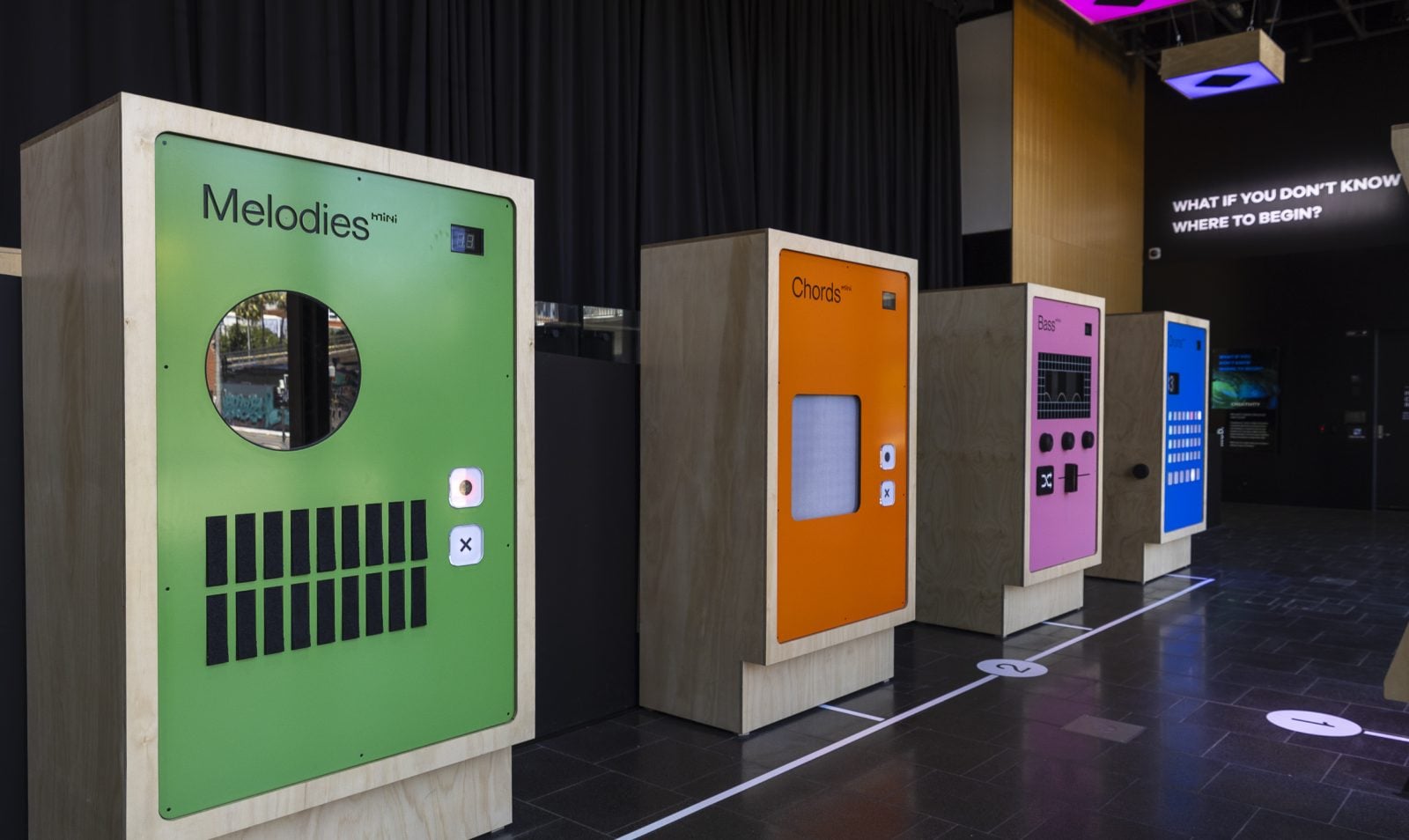
“I feel as though creativity makes up my entire life, to be honest. So I can’t imagine life without it.
The creative process for me is very spontaneous, and being a chef slash owner really allowed the creativity side of things to bloom.
I usually start my day by foraging, so the natural patterns that I come across during a foraging session or the flavour nuances between a hot day and a cold day will often spur an idea, which helps drive the creative process towards an end result.
Everything needs to have a reason for being on the plate. It needs to have a story behind it. It needs to have a connection.
Some ideas are left to grow and evolve over time, and some are just a pure snapshot of a season.
You can start with a base recipe that gives you an idea of the direction to take it, but really it comes down to the constant tasting and tweaking to get it to the final stages.
It’s lush out there. There’s a lot to work with.”
Kane Pollard, chef and sustainability advocate, South Australia
“I get a lot of my inspiration from my family and my culture. I think sometimes there’s things that I want to say and express which I feel like music is the best way to do that.
And when I’m performing, that’s when I feel the most authentic and just being myself.
You have to be very patient. I think that’s the main thing, because you want to write a song overnight and expect it to be finished the next day.
Obviously, sometimes you get stuck and it’s really hard, and you kind of hit a point where there’s like a block, and you really don’t know where to draw inspiration from
But sometimes it’s actually helpful to sit down and force myself to write. Other things can kind of come out of that that you didn’t realise that you knew or even thought about before you did it.
It’s gonna take time, and it’s gonna take practice, and it’s gonna take patience. So have to be confident in yourself.”
Tilly Tjala Thomas, Nukunu singer-songwriter, Fleurieu Peninsula
-
Professor Matthew Gilliham & Conservation Biologist Tiahni Adamson
On CULTIVATION
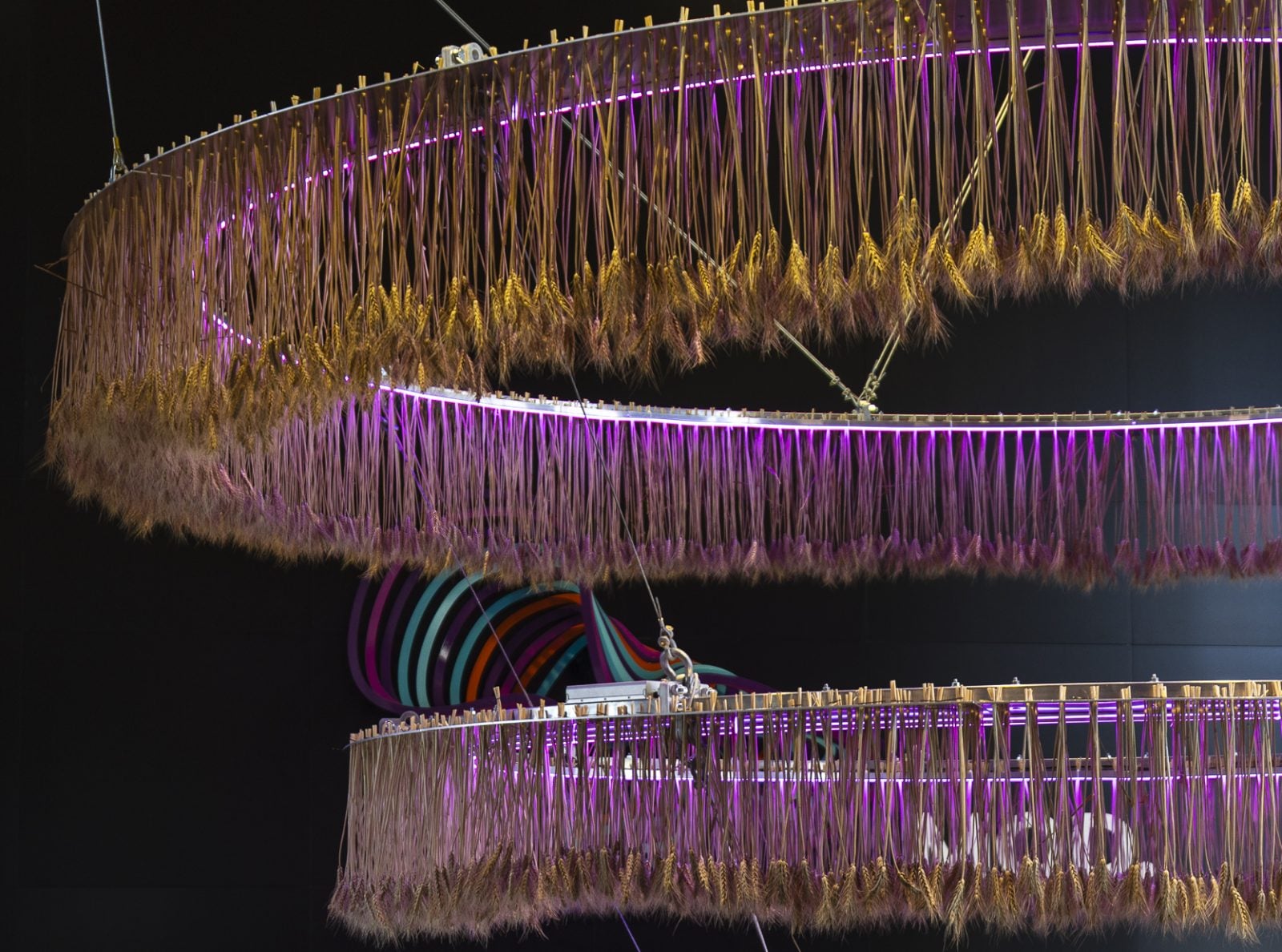
“Plants are the basis of all life on Earth. They’ll be the basis of us existing beyond Earth too.
Our connection to plants is very important. Obviously, they produce our food, they produce many medicines, they produce our oxygen.
Humans derive comfort from the interaction with a natural environment. In terms of nurturing humans and the environments around them that we create, it’s something we’re drawn to.
In Plants for Space, we’ve created an environment which we nurture innovation. We have used space as this new environment to pose questions that really bring through innovation to solve cruel and important problems that we have on Earth.
To have plants as central to humans’ existence as we leave Earth and go beyond, it’s really about reimagining how we can grow, how we can maximise what we get from plants. So it’s investigating the biology at a new level that we haven’t been able to do before.”
Professor Matthew Gilliham, Director of the ARC Centre of Excellence in Plants for Space, Adelaide University
“I think my connection to Country is the major driver for all of the work that I do. Being able to have a strong affinity and love for nature is what keeps me going. It’s this constant pull of kindness and care that keeps me sustaining myself and feeling balanced.
Community building is about planting seeds: utilising nature’s potential and power, building capacity and working with communities together to do something great.
Being able to understand connection and relationship to Country is the key in having better relationships with ourselves as humans.
All meaningful change has started with someone with an idea, one person with some ambition and then other people backing them up to get something done.
Knowing that the work that we do in these bodies, in this life that we have, might not ever make a difference in our current form or within however long we’re lucky enough to live in this body, but that it builds this legacy for more seeds and more flowers and more generations to come, way beyond the timescale that we could ever comprehend.”
Tiahni Adamson, Kaurareg woman and Australian wildlife conservation biologist
-
Activist Amber Brock-Fabel & Professor Anne Souvertjis
On AGENCY
“I started up the South Australian Youth Forum to have a voice, but also to have a community. I saw decisions being made about my future that I couldn’t have a say on at the time. As a 16-year-old I thought maybe I can be a leader, and maybe I can provide that space for someone else.
21st of August, 2021. It was this page, and it said, idea these three dot points: give young people a voice, empower young people, community.
I think right from the start, I was really clear that I was creating a platform for me and for all these other young people to join me.
Agency is about showing up. It’s about doing something bigger than oneself. I feel very privileged to have had people in my life that created space to listen to me. Space doesn’t have to be glamorous, it doesn’t have to be flashy. The simple conversation and answer of ‘That’s a great idea. Go for it.'”
Amber Brock-Fabel, founder of the South Australian Youth Forum
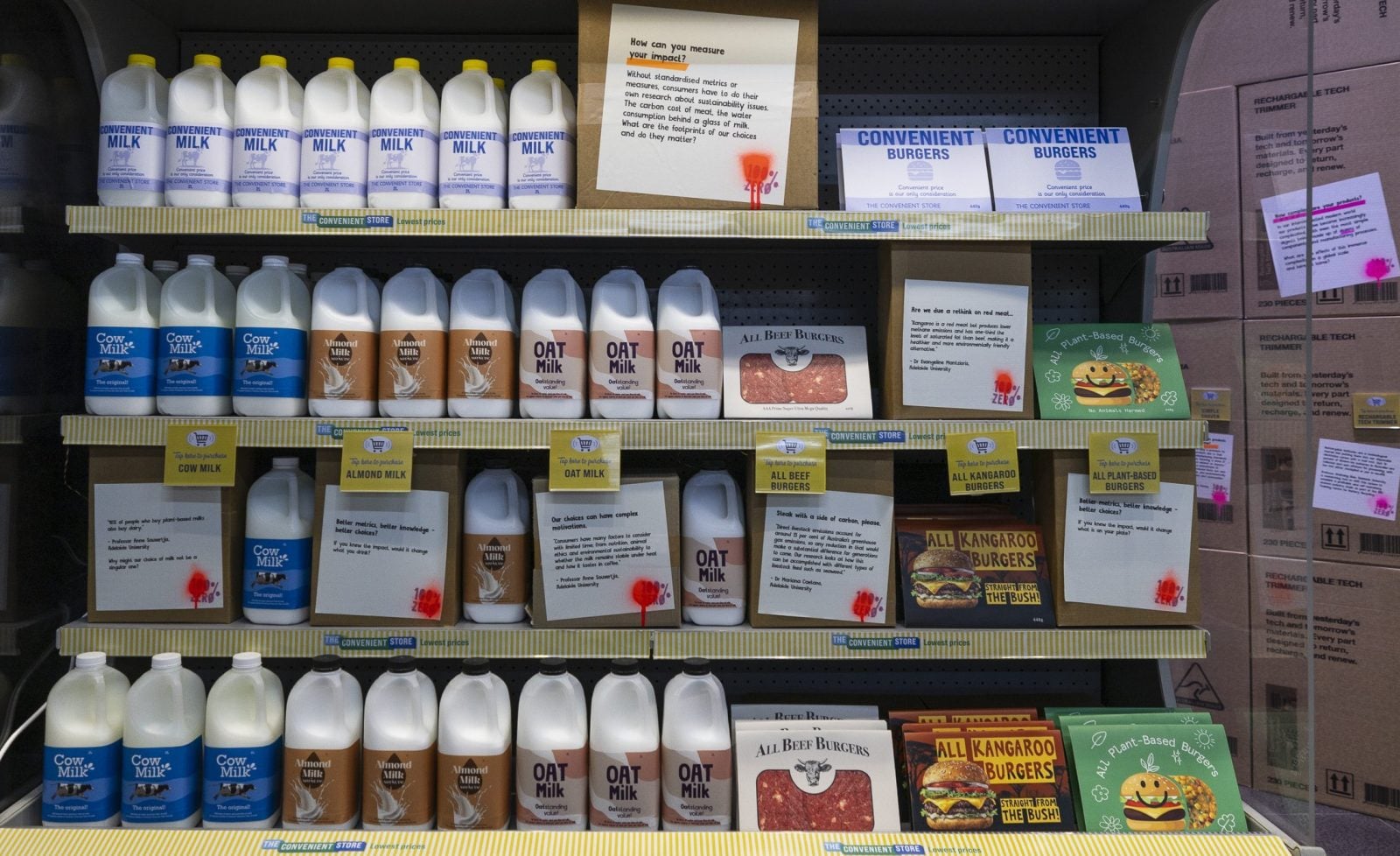
“Humans are incredibly complex scanning devices, always looking, thinking, seeing, watching what other people are doing. And all of this has an impact on what is stored in our memory and what influences our subsequent behaviour and the choices we make.
As a sustainability marketer, I spend a lot of my time trying to think about how to build feedback loops for people, so that they can make a connection between the everyday action that I take and the longer-term impact I may have.
Every individual action does have an impact. Sometimes it’s small, sometimes it’s huge. Often, at the moment of behaviour, you can’t really tell which it’s going to be. But it is a vote. It’s a vote for reflecting my values and the things that I want to see manifested, the changes I want to see coming into effect.
To help create agency, I feel I’m there to provide choice.”
Professor Anne Souvertjis, Dean of the School of Marketing, Adelaide University
-
Professor Michael Goodsite & Associate Professor James Hopeward
On TRANSFORMATION
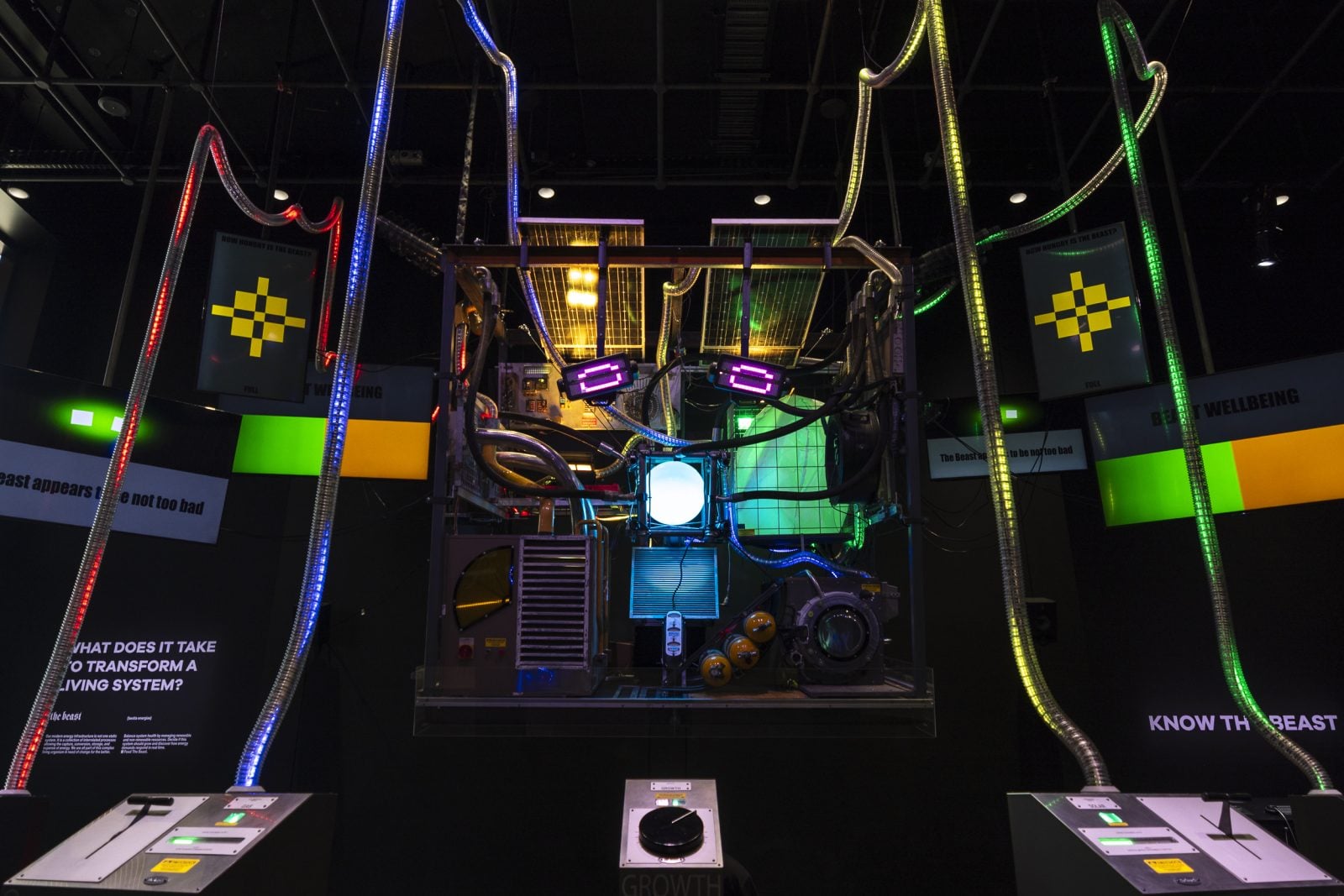
“Energy is key to the modern world. It’s key to biological systems. Our own bodies need energy to thrive and survive, and modern human-made systems need energy as well for that same purpose, to prosper.
The conundrum is that energy is produced often in ways that impact nature and biodiversity and community— things that are also important to us.
So how do we get the energy we need while minimising impact on our surrounding environment and community?
I think that being responsible means understanding we are really responsible. Everything we do or do not do impacts sustainability, and it’s incumbent on all of us to do what we can, and that might just start by understanding what is the best science and practice available.”
Professor Michael Goodsite, Pro Vice Chancellor Research Services and Infrastructure, Adelaide University
“The modern world’s energy system is quite complex.
The different sectors, things like transport, things like heavy industry, mining, households, factories and so on. All of these different sectors consume energy in different ways. And so the complexity of all of these different types of demands, and all of these different fuels and energy sources, and the way they interact – it’s a complex adaptive system.
One way to think about transition is within the confines of the current system. Parameters can change, and if we think about the energy system, we can talk about transition from primarily fossil fuel energy system to a primarily renewable energy system.
If we think about transformation, we might actually be then talking about transforming the architecture of the system itself. So a transformation in the energy system might be a transformation into a wholly different type of system, a different way of interacting with our energy supplies and our whole demand structure might change.”
James Hopeward, Associate Professor of Environmental Engineering, Adelaide University
-
Professor Jayne Boase & Dr Vaughn Tan
On PREPAREDNESS
“One of the first things that we do in the Fire and Culture course is a meditation. We do that so that the students are coming to the class with different expectations, that we’re awakening their beginner’s mind.
It’s impossible to say what the preparation for cultural burning might be because of the vast size of the country we now call Australia. It is not one thing that you do. It depends on the circumstances.
You know, so much of what we do at the university is about preparing our students to be successful. Providing the students with insights and understandings of the Two Way approach: the complexity, the beauty, the uniqueness of Aboriginal society.
There’s not just one way of doing things and the Western approach isn’t always the only approach and isn’t always the best approach.”
Jayne Boase, delivers Fire and Culture course, Adelaide University
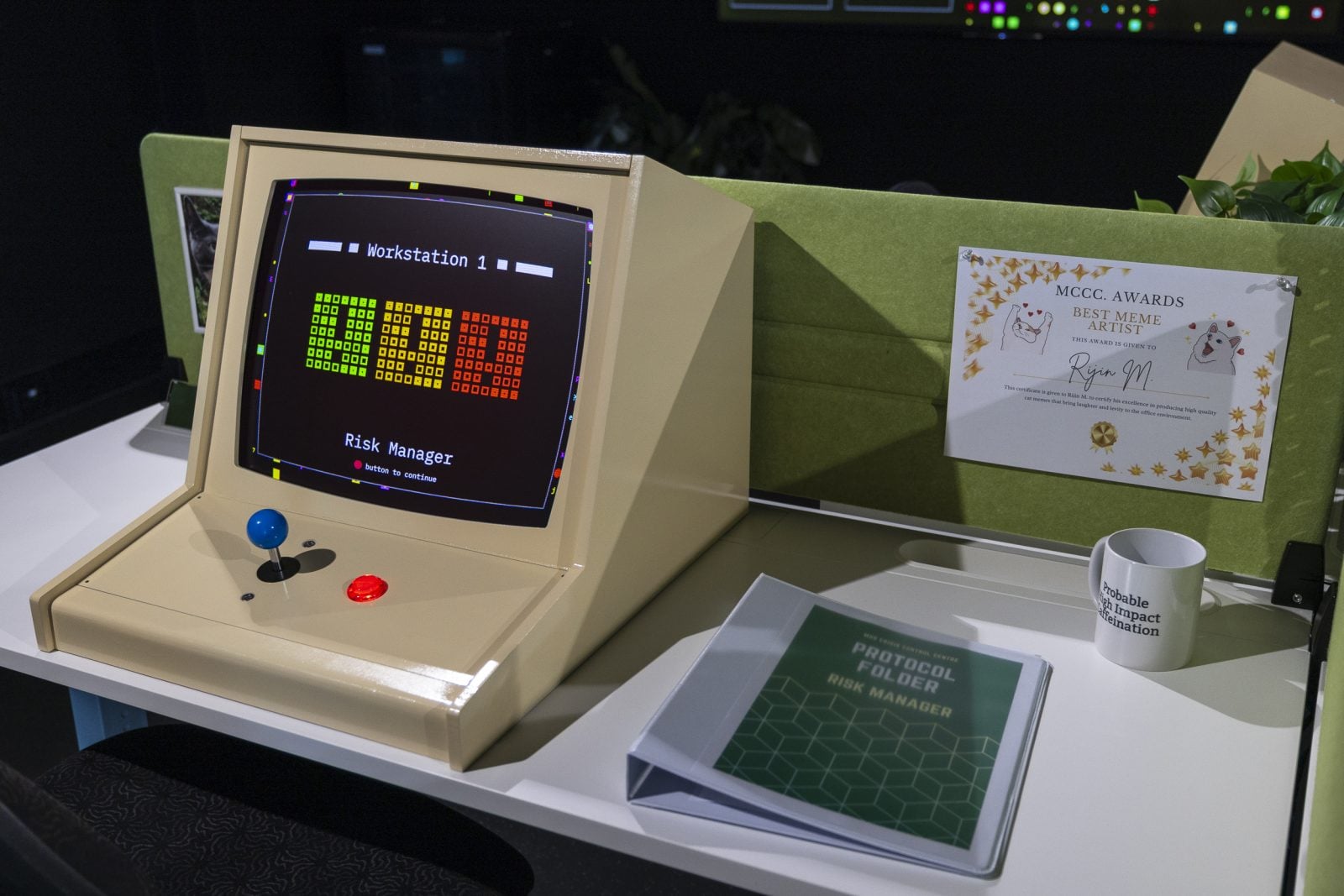
“I think a big part of how we think about preparedness, when it comes to things that we don’t know, depends on the type of not knowing that you’re facing.
Uncertainty is something which we don’t understand very well and at the same time is everywhere and also is becoming more and more prevalent. People, organisations, countries, they’re all dealing with unknowns that are uncertain, as if they were risky, and that’s having very, very bad outcomes for all of us.
A lot of the time when we start doing something, we have a clear idea of where we’re trying to end up. But in fact, when you’re doing anything that is new or innovative, you may have an idea of how you would know that you are successful without having a clear idea of what the success concretely would be.
The kinds of things you have to do to prepare for unknown outcomes is you have to do a lot of thinking about how to see in a way outside of what the current reality might be.
So the uncertainty at the beginning of things is actually a way of opening up the possibilities of how you might get to where you’re trying to go, as well as opening up the possibilities of where you’re trying to get to in the first place.”
Dr Vaughn Tan, Risk and Uncertainty researcher
-
Professor Guy Keulemans & AFL Player Wayne Milera
On RESILIENCE
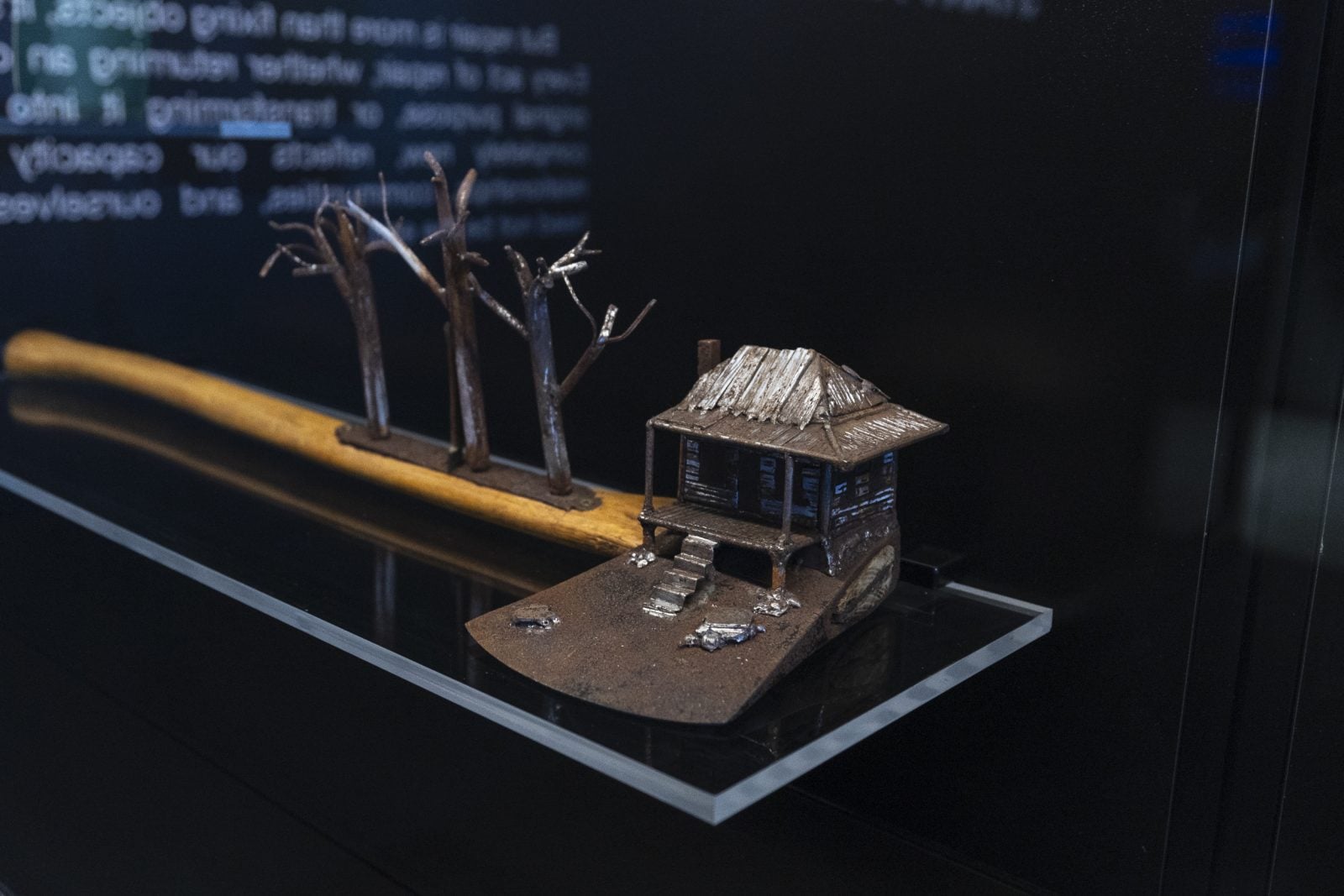
“I started out as a designer struggling with the problem of designing objects that become waste.
This was very tricky for me to resolve, and ultimately, I came to the conclusion that I needed to focus on repair as an ethical response as a designer.
Everybody is burdened by the psychological problem of waste. It’s something I think that’s really relatable.
We have broken things in our homes, we throw out things that no longer function the way that we want to, and that can kind of have a burden on the way that you think and the way that you engage with the world.
There’s a kind of emotional resilience that gets activated through creativity, something that gives us inspiration that life is worth living.
A visible repair advocates for more repair in the world. How we overcome trauma, how something that is broken can come back together, how we can use repair practices creatively to kind of reconnect and re-strengthen society and make us more resilient, and how that inspires people to keep going.”
Guy Keulemans, designer, artist and researcher, Adelaide University
“Yeah it was late in the 3rd quarter, we were sort of defending at the time and the player was coming. It didn’t really hit me, maybe like a tiny knock on my knee and sort of put me a little bit off. Nothing out of the ordinary that happens in a footy game.
As soon as I sort of landed, I knew in that moment, just the feeling of it. Feels exactly like the last time and I actually remember saying to the trainer at the time, like, oh, I think it’s the same thing, the same thing.
It’s good cause I knew what was ahead of me, but then it was bad because I knew what was ahead of me.
12 months rehab, both times. Bending your leg like the tiniest bit, I remember it was like I was trying to lift 300 kg bench pressing or something.
You know, some people have few injuries, some people have a lot of injuries, but bring yourself back to whatever it is that helps you enjoy the little milestones that you’re ticking off and keep yourself positive, learn to heal and move forward.
It’s the start of a process, I guess.
The first game back was exciting, taking that moment to have a bit of a look around, you know, at a packed Adelaide Oval and really embrace all the fans and, and the noise and happiness, I guess.”
Wayne Milera, Adelaide Crows Australian Rules Football player
-
Astronaut Katherine Bennell-Pegg & MOD. Youth Board Member Rosie Williams
On FORESIGHT
“When I was very young, I used to love lying on the grass getting bindiis all up my T shirt, looking up in the stars in awe.
I remember when my mum told me that some of those pinpricks of light weren’t far away stars, but other planets, whole worlds that no one had ever seen up close with their own eyes.
I thought what greater adventure could there be than going and putting my feet on those rocks and staring out at New Horizons?
Preparing for lift off all comes down to training. You train, you train, you train, as close as you can to that moment. So by the time astronauts sit on the rocket, they’ve lived that moment already. You don’t have too much time to reflect on what’s about to happen. You’ve already done that.
If you want to strive for something that might seem unattainable, it’s worth doing anyway. You don’t know what the future holds and if you’re passionate about something and you think it’s worth doing, you should pursue your dream without hesitation.
It might look like I’ve achieved my dream of becoming an astronaut but qualifying as an astronaut is just a new beginning.”
Katherine Bennell-Pegg, Australian astronaut and Director of Space Technology at the Australian Space Agency
“I think the future is a little bit scary, I would say. It’s pretty scary what’s happening in the world. A lot of climate change stuff for me is very big, very scary and very front of mind, but also I think you don’t know what’s going to happen. You can’t predict it.
I wouldn’t say optimist, but I wouldn’t necessarily say pessimist. I think I’m quite realistic, which is helpful sometimes but also you don’t have to be like, so kind of realistic all the time.
I was thinking about graduating school the other day, I was like, oh my god, it feels like ages ago, it feels like a very long time ago, actually.
It does feel very wide open and like there’s a lot of opportunities for me and a lot of things I could do.
Some people are very scared by the blank page, I think it’s quite exciting. I think when I open up, like, you know, a new sketchbook or a new notebook, you can do whatever with it. And sometimes, you know, you don’t want to ruin it by making the first page something bad, but it’s kind of the best way to do it. And you just can keep going. Fill it up.”
Rosie Williams, 2025 MOD. Youth Board Member and graphic designer
Read
- Irish Poet John O’Donohue on Beginnings
- Seeing the Early Universe Through a Simulation
- Chef Kane Pollard on How Growing Up in South Australia Made Him Fall in Love With Slow Food
- Tiahni Adamson’s Happy Place with Bush Heritage Australia
Listen
- Deep Listening – Stories of Country
- Listen to Artist Tilly Tjala Thomas
- The Delusion of Decoupling with James Hopeward
- Storytime with Mickey O’Brien
Explore
Credits
- S1T2 Design and Creative
- Nic Mollison Build
- Lateral Flux Lighting
- Walls That Talk Decals
- Tiahni Adamson, Kaurareg woman and Australian wildlife conservation biologist Storyteller
- Katherine Bennell-Pegg, Australian astronaut and Director of Space Technology at the Australian Space Agency Storyteller
- Jayne Boase, delivers Fire and Culture course, Adelaide University Storyteller
- Amber Brock-Fabel, founder of the South Australian Youth Forum Storyteller
- Associate Professor Kylie Dunning, ARC Future Fellow, Adelaide University Storyteller
- Professor Matthew Gilliham, Director of the ARC Centre of Excellence in Plants for Space, Adelaide University Storyteller
- Professor Michael Goodsite, Pro Vice Chancellor Research Services and Infrastructure, Adelaide University Storyteller
- Associate Professor James Hopeward, Environmental Engineering, Adelaide University Storyteller
- Dr Guy Keulemans, designer, artist and researcher, Adelaide University Storyteller
- Wayne Milera, Adelaide Crows Australian Rules Football player Storyteller
- Uncle Mickey Kumatpi O’Brien, Senior Kaurna man Storyteller
- Kane Pollard, chef and sustainability advocate, South Australia Storyteller
- Professor Sarah Robertson, Robinson Research Institute and School of Biomedicine, Adelaide University Storyteller
- Professor Anne Souvertjis, Dean of the School of Marketing, Adelaide University Storyteller
- Dr Vaughn Tan, Risk and Uncertainty researcher Storyteller
- Tilly Tjala Thomas, Nukunu singer-songwriter, Fleurieu Peninsula Storyteller
- Professor Martin White, School of Physics, Chemistry and Earth Sciences, Adelaide University Storyteller
- Rosie Williams, 2025 MOD. Youth Board Member and graphic designer Storyteller