Interested in how epigenetics can affect the future?
Make it a career with Adelaide University
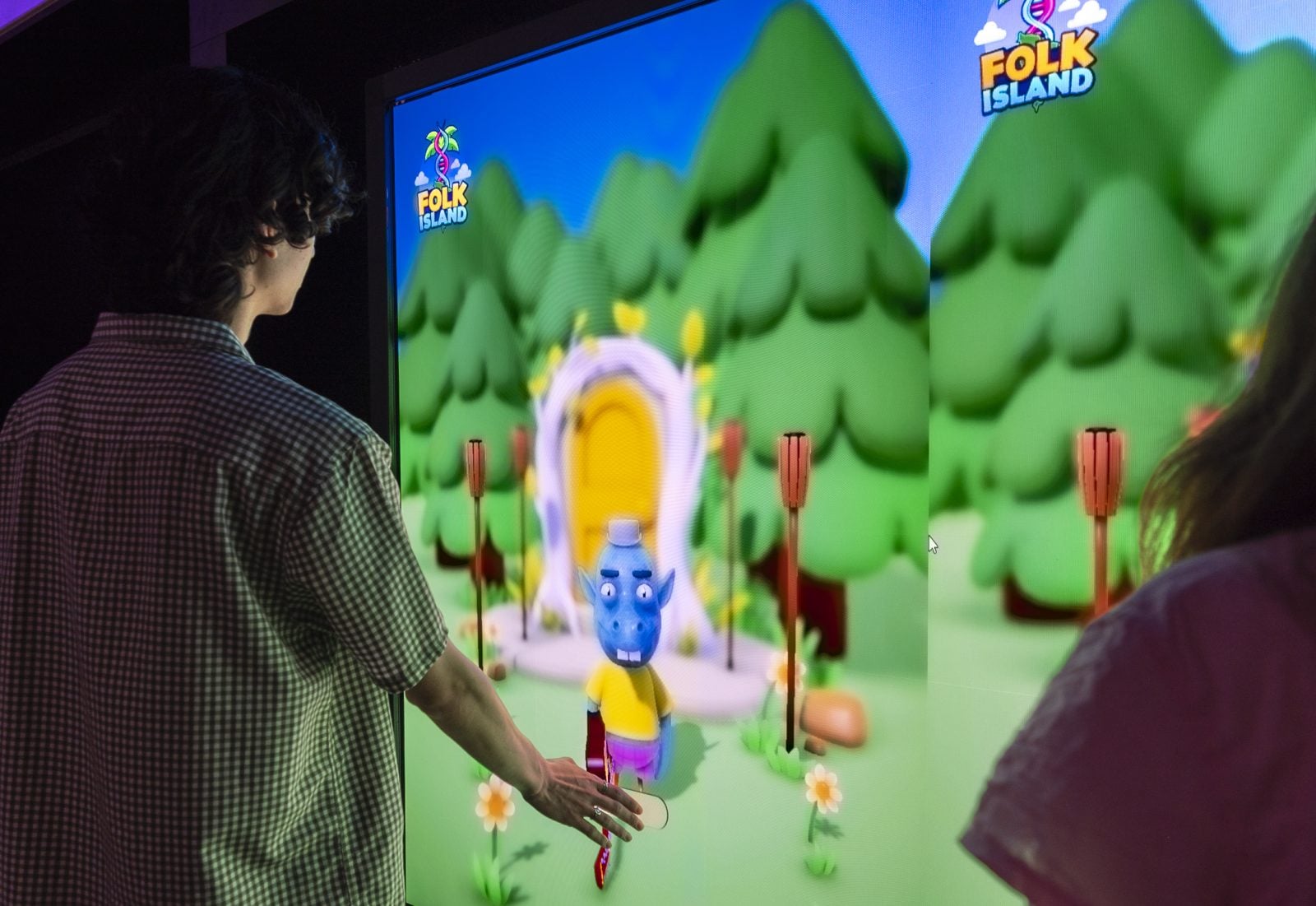
Exhibit Details
Open JanNov 2026
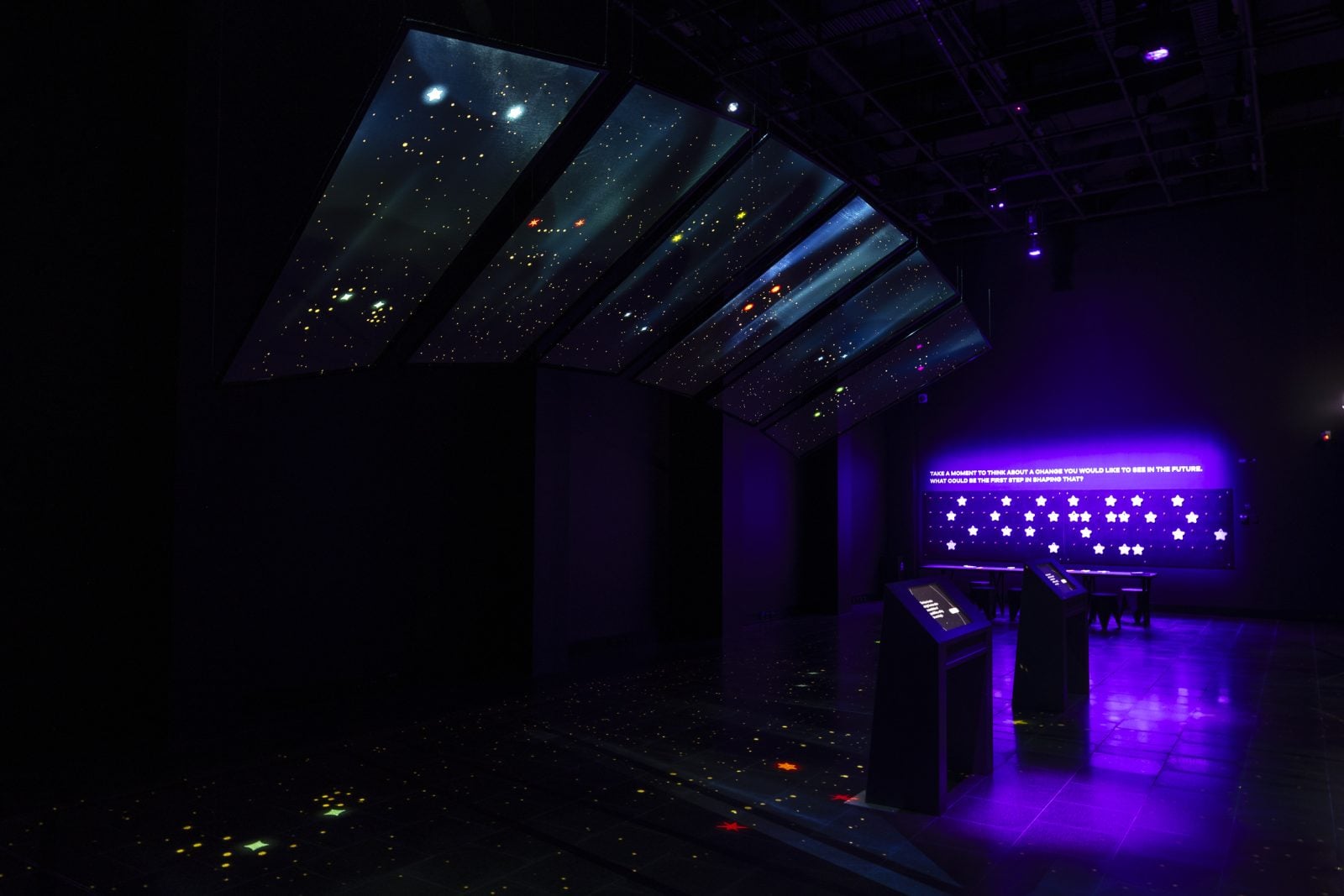
- What will you pass on?
- Delve deeper
- Science on a Sphere
Our earliest beginnings are found long before our birth. Genetic profiling reveals each of us to be a culmination of different lives and experiences, tracing back to the earliest forms of life. Just as we belong to a family, a community, or a species, we are also connected across time and part of something larger than ourselves.
But wait… if you can’t choose your genes, what can you choose to pass on for future generations? How do we shape the future of those who come after us?
Welcome to Folk Island, little egg. Complete the ancient Life Cycle Ceremony and explore how inheritance, environment, and personal choice weave together to affect future generations. Make a match, get rolling on an Eggventure, and pass the Blooming Rite to become a fully fledged hatchling and part of the Island community. Time to get cracking!
Curious to meet some of the residents of Folk Island? Just like you and me, they each have something important to share about where they come from.
-

Meet Bob
Something that makes me special is…
Our tiny, isolated community has become a goldmine for genetic research!
Wataweih! Ever heard of Norfolk Island? 🏝️ We’re this tiny remote island in the Pacific with an incredible documented family history going back generations.
Scientists have been studying us for over 16 years because our population is so genetically unique and isolated – perfect for genetic research!
They’ve already identified genes and gene regions related to glaucoma, cardiovascular disease, migraine, obesity and type-2 diabetes!
-
Meet Coren
A random fact I love is…
My lifestyle choices affect how my genome functions.
Trauma, diet, stress, and even social experiences can turn genes ‘on’ or ‘off’ without changing the DNA sequence itself.
Studying people with highly stressful jobs (elite athletes, first responders, veterans, uni students) revealed how their genes and biological pathways are changed during stressful events.
-
Meet Seris
My typical Sunday involves...
Geeking out on my family tree! 🤓
Get this! Scientists are working on finding ways to connect people who aren’t actually related – like, not family – but who still share bits of their DNA because way back in their family trees, they had common ancestors.
It’s pretty cool because having all this genetic data means people can be linked up in brand new ways!
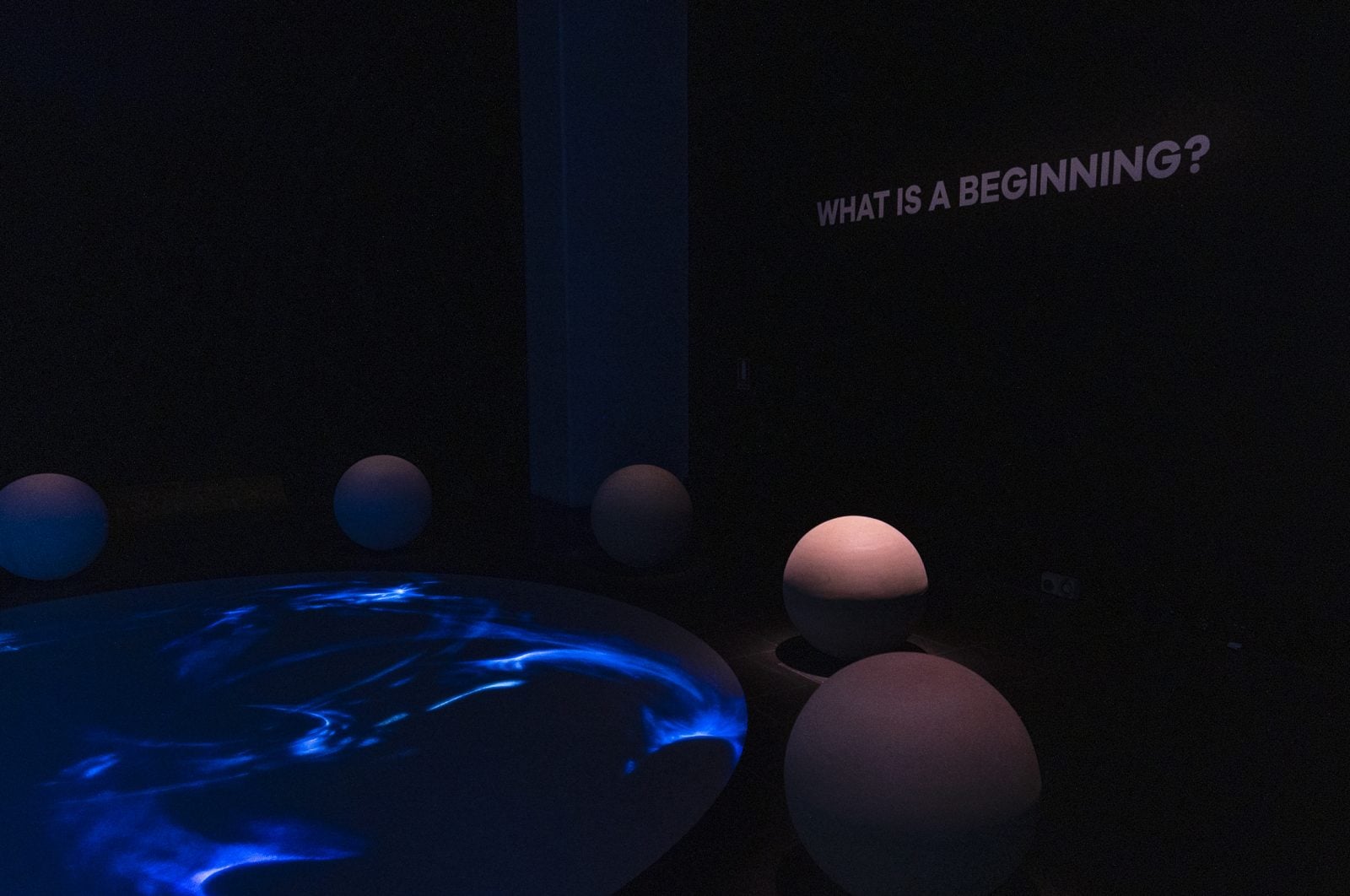
NOAA’s Science On a Sphere® (SOS) is a room sized, global display system that uses computers and video projectors to display planetary data onto a six foot diameter sphere, analogous to a giant animated globe.
Researchers at NOAA developed Science On a Sphere® as an educational tool to help illustrate Earth System science to people of all ages. Animated images of atmospheric storms, climate change, and ocean temperature can be shown on the sphere, which is used to explain what are sometimes complex environmental processes, in a way that is simultaneously intuitive and captivating.
Science On a Sphere® extends NOAA’s educational program goals, which are designed to increase public understanding of the environment. Using NOAA’s collective experience and knowledge of the Earth’s land, oceans, and atmosphere, NOAA uses Science On a Sphere® as an instrument to enhance informal educational programs in science centers, universities, and museums.
NOAA’s Science On a Sphere® has been installed in 195 exhibits in 27 countries and 34 states at some of the largest public-serving science centers and museums, including Smithsonian’s Natural History Museum in the Ocean Hall. Over 60 million people visit these institutions annually.
Credits
- Queensland University of Technology (QUT) Touchscreen Interactive
- Associate Professor Beben Benyamin, Adelaide University Research
- Dr Robert Smith, QUT Research
- Associate Professor Bastien Llamas, Adelaide University Research
- Distinguished Professor Lyn Griffiths, QUT Research
- Associate Professor Hong Lee, Adelaide University Research
- Professor Divya Mehta, QUT Research
- Professor Elina Hyppönen, Adelaide University Research
- Associate Professor Dimitri Perrin, QUT Research
- Brittany Mitchell, PhD, QUT Research