
Posted 20 Mar
 MOD.
MOD. 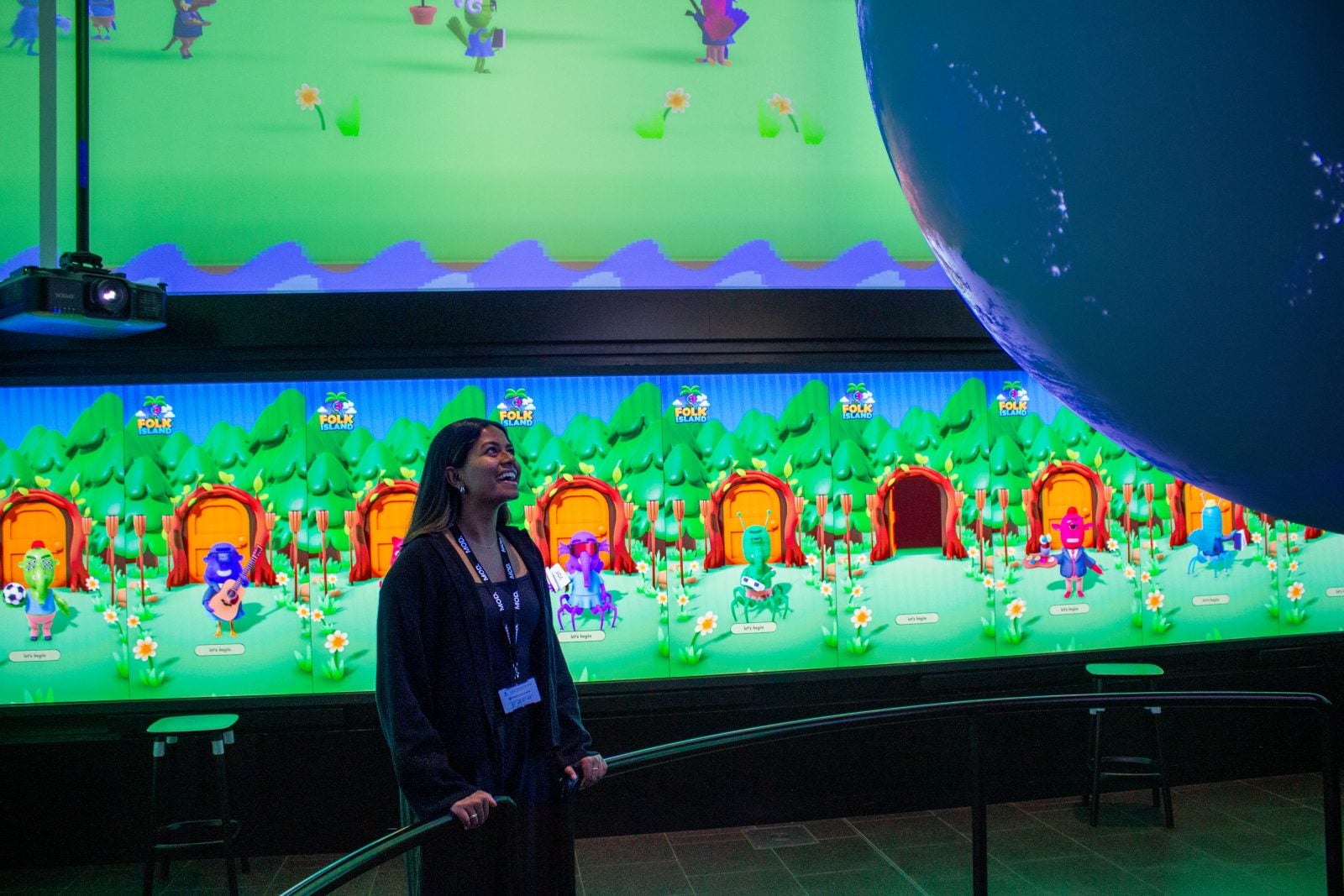
Each year, MOD. provides opportunities for students to complete their internships by joining the MOD. team. Each internship is unique so we asked Avantika Menon who joined MOD. in March to reflect on her experience.
I have been a regular visitor to exhibitions at MOD. over the past few years. When I first learned about the concept behind the museum and the research process that informs its exhibitions, I was fascinated. As a 23-year-old woman, I fall squarely within MOD.’s target audience of 15-25-year-olds. I remember being younger, in high school, and feeling as though the world rarely cared about what people my age had to say. Our thoughts were often dismissed as immature, naïve or overly dramatic ways of looking at life.
The team at MOD., however, sees things differently, and they are not alone. Just as historians study the past to understand what has already happened, futurists study emerging trends and signals to imagine what the future might look like. A floor above the galleries at MOD. is a team doing exactly this – designing exhibitions that encourage young people to reflect on the future and imagine what could be. Over the past few weeks, I had the privilege of joining this team and gaining insight into the work that makes these ideas possible.
Every few years, the team at MOD. hosts their Future Themes Forum, where they sit down with people aged 15 – 25 to discuss issues that resonate strongly with this audience. These conversations often centre around shared fears, priorities and worldviews. While discussions can shift depending on the political climate or current global events, the overarching themes tend to remain remarkably consistent from year to year and across age groups.
Looking at MOD.’s current exhibition, BEGINNINGS, and speaking with the team, I learned that one of the key questions that sparked the exhibition was:
In a world that is constantly changing, I want to help make positive change.
But where do I start?
During my internship, I was able to tour the exhibition and explore the various galleries, each of which tackles a different issue or perspective. Through thoughtfully designed spaces that encourage creativity and interaction, visitors are invited to explore ideas and potentially challenge their own ways of thinking, being and doing. Much of this work is made possible through research conducted at the new Adelaide University, where researchers collaborate with the futurists at MOD. to combine academic knowledge with forward-thinking design. The overarching goal of BEGINNINGS is to equip visitors with new ways of thinking and practical tools that help them feel empowered to begin making positive change in the world.

During my time at MOD., my work was split between supporting the current BEGINNINGS exhibition and contributing to early preparations for the upcoming 2027 exhibition. One highlight was visiting Adelaide University’s Waite & Mawson Lakes Campuses with members of the team to install and record social media content for a range of speculative objects from the BEGINNINGS 2100 exhibit. These objects were created through workshops held at MOD. that brought together world-leading researchers from across the University of South Australia and the University of Adelaide. Using participatory foresight strategies, the workshops explored a range of possible future scenarios. This process ultimately led to the development of innovative artefacts imagining futures between the years 2026 and 2100.
I also gained valuable insight into the early stages of developing the 2027 exhibition. It was fascinating to see the amount of work that happens behind the scenes, often more than a year before the exhibition opens. I was able to hear how some of the exhibition’s early ideas emerged from conversations among people not unlike myself. Most rewarding of all was the opportunity to sit in on the first 2026 Youth Board meeting, where the team was able to share their initial ideas for the 2027 exhibition.
The Youth Board is a group of future-thinking, like-minded individuals between the age of 15 and 25. Being able to hear what resonated with them was an incredibly valuable experience. It reinforced how powerful it can be to speak directly with the audience you hope to engage. By listening to their perspectives and incorporating their feedback, the team at MOD. can create exhibitions that are not only thought-provoking but genuinely reflective of the interests, concerns and ideas of young people.
Each of these experiences has given me a deeper appreciation of the meaningful and impactful work carried out by the team at MOD. This internship has not only broadened my understanding of how science communication can be creative, collaborative and audience-driven, but has also strengthened the skills and perspectives I will carry forward into my future career in this field.